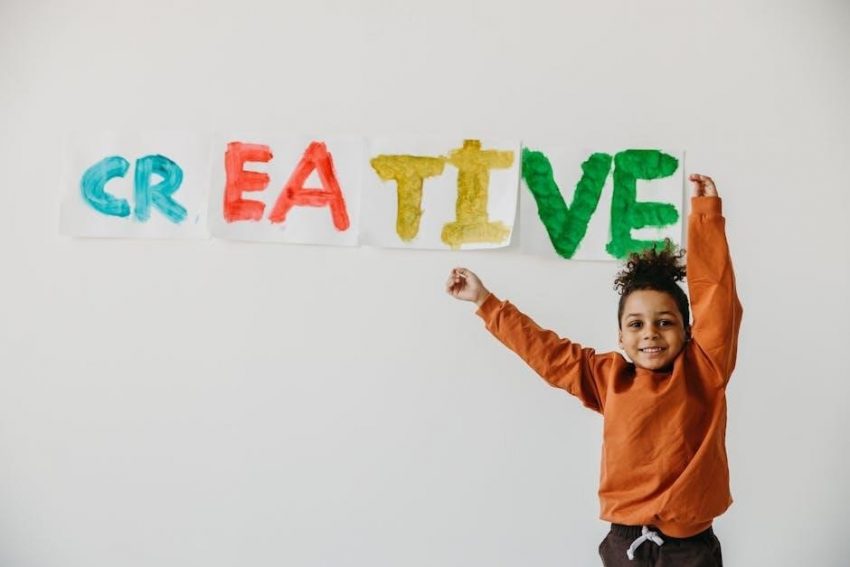
Creative Curriculum Objectives: A Comprehensive Overview (Updated March 31, 2026)
Today, March 31st, 2026, accessing Creative Curriculum objectives in PDF format provides educators with detailed guidance for fostering holistic child development and learning experiences.
What is the Creative Curriculum?
The Creative Curriculum is a nationally recognized, research-based early childhood education system designed for infants, toddlers, and preschoolers. It’s more than just lesson plans; it’s a comprehensive approach focusing on developmentally appropriate practice and individualized learning. Central to its philosophy is the belief that children learn best through active exploration and hands-on experiences.
Accessing Creative Curriculum objectives in PDF format allows educators to deeply understand this framework. These PDFs detail specific goals for each developmental domain – physical, cognitive, social-emotional, and language – outlining what children should know and be able to do at different ages. The curriculum emphasizes authentic assessment, observing children’s play to inform instruction and tailor learning experiences to their unique needs. It’s a flexible system, adaptable to diverse classroom settings and learner profiles, promoting a play-based, inquiry-driven learning environment.
Historical Context & Development
The Creative Curriculum emerged from the work of Diane Dodge and her colleagues at Teaching Strategies, Inc., initially developed in the 1980s. It arose from a need for a more holistic and developmentally appropriate approach to early childhood education, moving away from purely academic, teacher-directed models. Early iterations focused heavily on learning centers and hands-on activities, fostering independence and exploration.
Over the decades, the curriculum has undergone significant revisions, informed by ongoing research in child development and best practices. Accessing Creative Curriculum objectives in PDF documents reveals these evolutions, showcasing updated goals aligned with current standards. These PDFs demonstrate a shift towards greater emphasis on intentional teaching, authentic assessment, and family engagement. The curriculum’s continued development reflects a commitment to providing educators with a dynamic and responsive framework for supporting young children’s learning and growth.
Core Philosophical Principles
The Creative Curriculum is deeply rooted in a constructivist philosophy, believing children actively construct knowledge through hands-on experiences and social interactions. A key principle is developmentally appropriate practice, recognizing the unique needs and capabilities of each age group. Creative Curriculum objectives, as detailed in available PDF resources, emphasize child-directed learning, where educators facilitate exploration and discovery rather than direct instruction.
Furthermore, the curriculum champions the importance of play as a primary vehicle for learning. It acknowledges that children learn best when they are engaged, motivated, and feel safe. These PDF documents highlight a commitment to fostering a positive and inclusive learning environment that respects diversity and individual differences. The curriculum’s core principles aim to nurture the whole child – intellectually, socially, emotionally, and physically.

Key Domains of Development in the Creative Curriculum
Creative Curriculum objectives, outlined in PDF guides, comprehensively address physical, cognitive, social-emotional, and language development, fostering well-rounded growth.
Physical Development
The Creative Curriculum’s approach to physical development, detailed within its PDF resources, emphasizes both gross and fine motor skill enhancement. Objectives focus on providing ample opportunities for children to move, explore, and manipulate materials. These PDF guides highlight the importance of creating environments that encourage climbing, running, jumping, and balancing – activities crucial for building strength and coordination.
Furthermore, the curriculum stresses the development of fine motor skills through activities like drawing, painting, building with blocks, and manipulating small objects. The Creative Curriculum PDF materials advocate for intentional teaching strategies that support children’s physical abilities, recognizing that physical development is intrinsically linked to cognitive and social-emotional growth. Careful observation, as outlined in the PDF, allows teachers to tailor activities to individual needs and abilities, ensuring all children thrive physically.
Cognitive Development
The Creative Curriculum’s PDF resources deeply explore cognitive development, prioritizing hands-on exploration and problem-solving. Objectives detailed within these guides center on fostering critical thinking, reasoning, and a lifelong love of learning. The curriculum encourages educators to create stimulating environments where children can investigate, experiment, and construct their own understanding of the world.
PDF materials emphasize the importance of open-ended questions and opportunities for children to engage in complex play scenarios. These scenarios promote skills like categorization, sequencing, and spatial reasoning. The Creative Curriculum PDF also highlights the role of the teacher in scaffolding learning, providing just enough support to challenge children without overwhelming them. Through careful observation – a key component detailed in the PDF – teachers can effectively assess and nurture each child’s cognitive growth.
Social-Emotional Development
The Creative Curriculum’s PDF materials place significant emphasis on nurturing children’s social-emotional well-being, recognizing it as foundational for all other areas of development. Objectives outlined within these guides focus on building self-awareness, self-regulation, and empathy. Educators are guided to create a classroom climate of trust and respect, where children feel safe to express their emotions and navigate social interactions.
PDF resources detail strategies for supporting children in resolving conflicts peacefully, developing positive relationships, and understanding social cues. The curriculum promotes intentional teaching practices that foster emotional literacy and resilience. Teachers learn to model appropriate behavior and provide opportunities for children to practice social skills through play and collaborative activities. The Creative Curriculum PDF stresses the importance of observing and responding to individual children’s emotional needs, fostering a sense of belonging and security.
Language Development
The Creative Curriculum’s comprehensive PDF resources prioritize language development as a cornerstone of early childhood education. Objectives detailed within these guides emphasize fostering both receptive and expressive language skills. Educators are provided with strategies to create language-rich environments, encouraging children to communicate their thoughts, ideas, and feelings effectively.
PDF materials highlight the importance of intentional vocabulary building, storytelling, and engaging in conversations with children. The curriculum promotes practices like shared reading, dramatic play, and music to stimulate language acquisition. Teachers learn to scaffold children’s language development by providing appropriate prompts, expansions, and modeling. The Creative Curriculum PDF stresses the value of observing and responding to children’s communication attempts, fostering a love of language and laying the foundation for literacy success.

Specific Learning Objectives by Age Group
Creative Curriculum objectives, detailed in PDF format, are carefully sequenced by age, ensuring developmentally appropriate learning experiences for each child’s unique stage.
Infant & Toddler Objectives (0-2 years)
Creative Curriculum PDF resources for infants and toddlers (0-2 years) emphasize nurturing responsive relationships and fostering early sensory exploration. Objectives center around supporting physical development through tummy time and gross motor skill practice, alongside fine motor skill development via grasping and manipulating objects.
Early communication is encouraged through responsive interactions, labeling of objects, and exposure to rich language. Social-emotional growth is supported by providing safe and secure environments, promoting self-regulation, and facilitating positive interactions with caregivers and peers. The PDF guides detail how to observe and document these emerging skills, tailoring activities to individual needs and developmental milestones.
These objectives prioritize creating a stimulating environment that encourages curiosity, exploration, and a love of learning, all outlined within the comprehensive Creative Curriculum framework available in PDF form.
Sensory Exploration & Motor Skills
The Creative Curriculum PDF for infants and toddlers highlights sensory exploration as foundational for development. Objectives focus on providing diverse tactile experiences – textures, temperatures, and materials – to stimulate neural pathways. Motor skill development is addressed through intentional planning of opportunities for both gross and fine motor practice.

Activities detailed in the PDF include tummy time to strengthen neck and back muscles, reaching for toys to develop hand-eye coordination, and exploring objects with varying weights and shapes. Caregivers are guided to observe and respond to infants’ cues, adapting activities to their individual abilities and interests.
The Creative Curriculum emphasizes creating a safe and stimulating environment where infants can freely explore and develop these crucial skills, all detailed within the accessible PDF resources.
Early Communication & Social Interaction
The Creative Curriculum PDF for infants and toddlers prioritizes fostering early communication and social skills. Objectives center around responsive caregiving, encouraging reciprocal interactions, and supporting the development of pre-verbal communication. The PDF outlines strategies for interpreting infant cues – facial expressions, vocalizations, and body language – and responding in a sensitive and timely manner.
Activities detailed within the PDF include engaging in face-to-face interactions, narrating daily routines, and reading simple books with repetitive phrases. Opportunities for parallel play and gentle social interactions with peers are also emphasized.
The Creative Curriculum promotes a nurturing environment where infants feel safe to experiment with communication and build positive relationships, all supported by the comprehensive guidance found in the PDF materials.
Preschool Objectives (3-5 years)
The Creative Curriculum PDF for preschool-aged children (3-5 years) focuses on expanding language skills, fostering social competence, and building a foundation for academic learning. Objectives detailed within the PDF emphasize dramatic play, art exploration, and intentional teaching experiences designed to promote problem-solving and critical thinking.
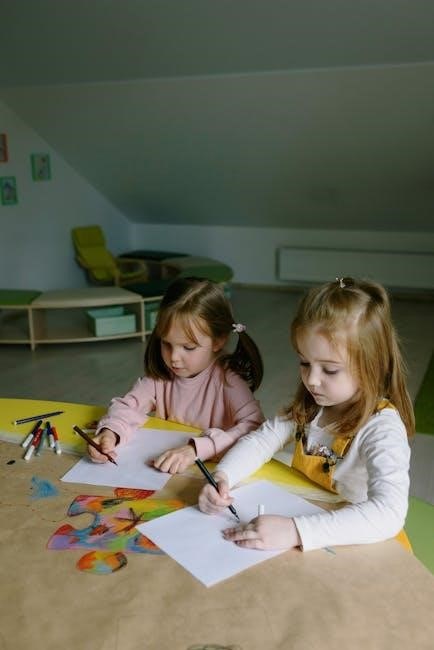
The PDF guides educators in creating engaging learning centers that support exploration in areas like literacy, math, science, and art. It stresses the importance of child-initiated activities and teacher-supported learning, encouraging children to take ownership of their learning journey.
Specifically, the Creative Curriculum, as outlined in the PDF, aims to develop preschoolers’ ability to express themselves creatively, collaborate with peers, and demonstrate early literacy and numeracy skills.
Pre-Literacy & Early Math Skills
The Creative Curriculum PDF meticulously details pre-literacy and early math objectives for preschool children. It emphasizes playful learning experiences designed to build foundational skills. Within the PDF, educators find guidance on fostering phonological awareness through rhyming games, storytelling, and alphabet recognition activities.
Early math skills are developed through sorting, patterning, and counting activities, all outlined in the PDF. The curriculum encourages children to explore shapes, sizes, and spatial relationships using manipulatives and real-world objects. The PDF stresses integrating these skills into daily routines and play-based learning.
The Creative Curriculum, as presented in the PDF, aims to cultivate a love of reading and a strong understanding of basic mathematical concepts, preparing children for kindergarten success.
Creative Expression & Problem Solving
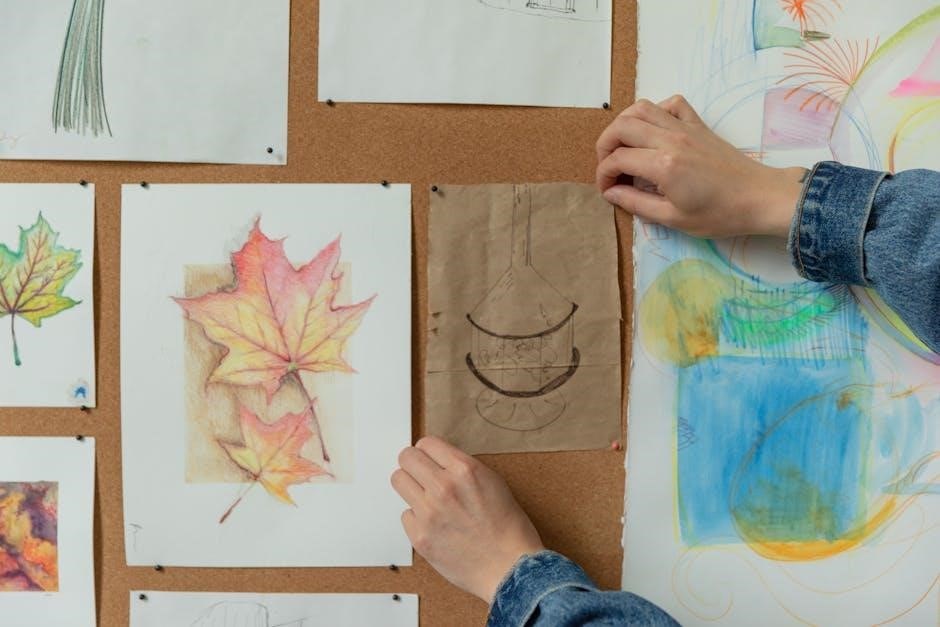
The Creative Curriculum PDF champions creative expression and problem-solving as vital components of preschool development. It provides educators with strategies to nurture children’s imaginations through art, music, dramatic play, and building activities, all detailed within the PDF resources.
The PDF emphasizes open-ended exploration, allowing children to experiment with different materials and express themselves freely. Problem-solving skills are fostered through challenges that encourage children to think critically, collaborate with peers, and find innovative solutions. The Creative Curriculum, as outlined in the PDF, promotes a “process over product” approach.
The PDF guides teachers in creating environments that stimulate curiosity and encourage children to take risks, fostering resilience and a lifelong love of learning.
Kindergarten Objectives (5-6 years)
The Creative Curriculum PDF for kindergarteners (5-6 years) focuses on building a strong foundation for future academic success while nurturing social-emotional growth. Detailed within the PDF are objectives centered around foundational academic skills like literacy and mathematics, preparing children for first grade.
The PDF emphasizes emergent writing skills, phonological awareness, and early numeracy concepts. Simultaneously, it prioritizes the development of crucial social skills such as cooperation, empathy, and conflict resolution. The Creative Curriculum, as presented in the PDF, encourages self-regulation and responsible decision-making.
Teachers utilizing the PDF resources create engaging learning experiences that integrate play-based learning with structured instruction, fostering a positive and supportive classroom environment.
Foundational Academic Skills
The Creative Curriculum PDF meticulously outlines foundational academic skills for kindergarteners, emphasizing a balanced approach to early learning. Within the PDF, literacy development takes center stage, focusing on phonological awareness, letter recognition, and emergent writing abilities. Children are encouraged to experiment with sounds and symbols, building a strong base for reading and writing.
Furthermore, the PDF details objectives for early mathematics, including number sense, counting, and shape recognition. Hands-on activities and playful exploration are key components, fostering a positive attitude towards math. The Creative Curriculum, as detailed in the PDF, aims to build a solid understanding of core concepts.
These skills are integrated into daily routines and learning centers, ensuring consistent reinforcement and application.
Social Skills & Self-Regulation
The Creative Curriculum PDF places significant emphasis on fostering social-emotional growth in kindergarteners, recognizing its crucial role in overall development. The PDF details objectives centered around building positive relationships, practicing empathy, and resolving conflicts peacefully. Children learn to navigate social situations with confidence and respect, guided by supportive interactions.
Self-regulation skills, as outlined in the Creative Curriculum PDF, are equally prioritized. The curriculum encourages children to identify and manage their emotions, develop impulse control, and follow classroom routines. Strategies for calming down and seeking help are explicitly taught, promoting emotional well-being.
These skills are cultivated through play-based learning and intentional teaching moments, creating a nurturing and inclusive classroom environment.
Implementing Creative Curriculum Objectives
Creative Curriculum PDF resources empower educators to seamlessly integrate objectives into daily routines, fostering intentional teaching and meaningful learning experiences for all children.
Observation & Assessment Strategies
Utilizing the Creative Curriculum PDF guides, observation becomes a cornerstone of understanding each child’s developmental trajectory. Teachers meticulously document children’s interactions, skills, and emerging interests through anecdotal notes, checklists, and work sample collections. These observations directly align with the curriculum’s defined objectives, providing concrete evidence of progress across all developmental domains.
Assessment isn’t about assigning grades, but rather about gaining insights to inform instructional planning. The Creative Curriculum PDF emphasizes authentic assessment – observing children in natural settings during play and daily routines. This approach allows teachers to identify individual strengths and areas where additional support might be beneficial; Regular review of collected data, facilitated by the PDF’s frameworks, ensures responsive and individualized learning experiences, ultimately maximizing each child’s potential.
Documentation & Portfolio Development

The Creative Curriculum PDF resources strongly advocate for comprehensive documentation of children’s learning journeys. This goes beyond simple record-keeping; it’s about creating a narrative of growth, showcasing individual progress and demonstrating the impact of the curriculum. Documentation includes work samples, photographs, videos, and anecdotal notes – all carefully selected to illustrate key skills and understandings.
These collected materials form the foundation of each child’s portfolio, a dynamic collection that evolves throughout the year. The Creative Curriculum PDF provides templates and guidance for organizing portfolios effectively, ensuring they are accessible to both teachers and families. Portfolios serve as powerful tools for parent-teacher conferences, offering tangible evidence of learning and fostering a collaborative partnership in supporting each child’s development.

The Role of the Teacher as Facilitator
The Creative Curriculum PDF emphasizes a shift in the teacher’s role – from a director of learning to a facilitator of exploration and discovery. Teachers utilizing this approach carefully observe children’s play, identifying interests and building upon existing knowledge. The curriculum doesn’t prescribe rigid lesson plans, but rather provides a framework for creating responsive and engaging learning experiences.
According to the Creative Curriculum PDF guidelines, teachers pose open-ended questions, offer materials that spark curiosity, and provide support as children investigate and problem-solve. This approach fosters independence, critical thinking, and a lifelong love of learning. The teacher’s role is to create a stimulating environment where children feel empowered to take risks, experiment, and construct their own understanding of the world.

Resources & Further Information
Creative Curriculum objectives PDFs and supplementary materials are readily available through Teaching Strategies, offering comprehensive support for implementation and ongoing professional growth.
Accessing Creative Curriculum PDFs & Materials
Locating Creative Curriculum objectives in PDF format is primarily facilitated through Teaching Strategies, the official publisher and provider of the curriculum. Their website (www.teachingstrategies.com) hosts a dedicated resource library accessible with a valid subscription or purchase.
Within this digital hub, educators can download detailed guides outlining specific learning objectives for each developmental domain and age group – infants, toddlers, preschoolers, and kindergarteners. These PDFs often include observation checklists, assessment tools, and sample lesson plans directly aligned with the curriculum’s framework.
Furthermore, Teaching Strategies offers physical materials, such as classroom setup guides and component sets, which complement the digital resources. Accessing these materials often requires a professional development component to ensure effective implementation and understanding of the Creative Curriculum’s core principles. Remember to explore their support section for troubleshooting and assistance.
Professional Development Opportunities
Effective implementation of Creative Curriculum objectives, particularly when utilizing the PDF resources, hinges on robust professional development. Teaching Strategies offers a tiered system of training, ranging from introductory webinars to intensive, on-site workshops. These opportunities focus on understanding the curriculum’s philosophical underpinnings, mastering observation and assessment techniques, and skillfully facilitating child-led learning experiences.
Many states and early childhood organizations also partner with Teaching Strategies to provide accredited professional development hours. These courses delve into specific aspects of the curriculum, such as fostering social-emotional development or integrating early literacy skills;
Accessing the Creative Curriculum PDFs is only the first step; comprehensive training ensures educators can translate those objectives into meaningful, engaging activities that promote optimal child outcomes. Continuous learning and collaboration are key to maximizing the curriculum’s potential.
Alignment with State Standards & Accreditation
The Creative Curriculum, and its detailed objectives outlined in the PDF resources, is intentionally designed to align with a broad spectrum of state early learning standards and national accreditation guidelines. This alignment simplifies the process for programs seeking to demonstrate compliance with requirements set forth by organizations like the National Association for the Education of Young Children (NAEYC).
Teaching Strategies provides comprehensive documentation and mapping resources that clearly illustrate how each objective supports specific state standards. This feature is invaluable during accreditation self-studies and licensing inspections.
Utilizing the Creative Curriculum PDF materials streamlines the demonstration of developmentally appropriate practice and ensures programs are providing a high-quality educational experience that prepares children for future success, meeting both regulatory and best-practice expectations.