
Discover the timeless devotion of St․ Bridget of Sweden through 15 carefully curated prayers․ This guide offers concise explanations, historical context, and practical tips for integrating these sacred words into everyday life․ Begin your spiritual journey today․ Let these prayers guide heart toward peace now today
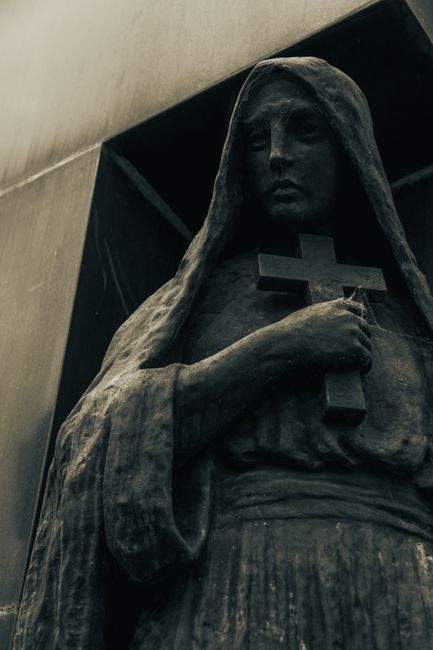
Who Was St․ Bridget of Sweden?
St․ Bridget of Sweden, born 1303, was a mystic, writer, and founder of the Bridgettine Order; Her visions guided reforms, and her prayers continue to inspire devotion worldwide․ She balanced royal duties with deep spirituality, leaving a legacy of faith and compassion․
Early Life and Historical Context
Born in 1303 in Stockholm, Bridget grew up in a noble household during the turbulent early 14th century․ Her father, a courtier, exposed her to the political intrigues of the Swedish monarchy, while her mother’s devout faith nurtured her spiritual curiosity․ The Black Death, which swept Europe in 1348, profoundly affected her worldview, inspiring her to seek divine guidance amid widespread suffering․ In 1320, at age 17, she entered the convent of St․ Bridget, a newly founded community that emphasized prayer, charity, and education for women․ The convent’s austere environment fostered her contemplative life, and she quickly became known for her eloquence and compassion․ By 1340, Bridget had begun to receive visions, which she recorded in her autobiographical work, the “Life of St․ Bridget․” These visions, coupled with her pragmatic leadership, led to the establishment of the Bridgettine Order in 1348, a double monastery model that combined monks and nuns under a single abbess․ Her influence extended beyond Sweden, as she corresponded with European rulers, advocating for peace and reform․ Bridget’s early experiences—political instability, plague, and religious fervor—shaped her mission to bridge earthly suffering with heavenly grace, a theme that permeates her 15 prayers․ Her prayers, rooted in humility and love, continue to inspire modern seekers, offering solace and guidance across centuries․ Through her writings, Bridget invites believers to cultivate inner peace, trust in divine providence, and live a life of service, echoing her timeless message of hope!
Her Spiritual Legacy
Bridget’s legacy weaves mysticism, reform, and devotion into a lasting spiritual tapestry․ Her visions, chronicled in the Life of St․ Bridget, reveal a deep communion with the divine, offering a model of humility, charity, and steadfast faith․ She articulated a theology that emphasized prayer’s transformative power, inner purification, and living in harmony with God’s will․ Bridget founded the Bridgettine Order, a double monastery that promoted gender equality and spiritual solidarity, inspiring future religious communities․ Her focus on the Eucharist, the Virgin Mary, and the saints shaped Catholic liturgy and devotional practices worldwide․ The prayers she composed, simple yet profound, continue to comfort and guide seekers, fostering inner transformation․ Bridget’s advocacy for peace and social justice during the Black Death set a precedent for compassionate leadership in crisis․ Today, her teachings resonate with those valuing contemplative prayer, social responsibility, and the pursuit of inner growth․ Her legacy endures as a beacon of hope, reminding believers that faith, coupled with action, can illuminate even the darkest moments of human experience․
Her influence also extended into the realm of education, establishing schools that taught literacy and spiritual formation․ The Bridgettine Rule, emphasizing prayer, labor, and the study of Scripture, became a model for monastic life across Europe․ Bridget’s letters to kings and princes urged them to pursue peace, demonstrating her commitment to social justice․ Even centuries after her death, her prayers are invoked in liturgical celebrations, reflecting the enduring relevance of her spiritual vision․
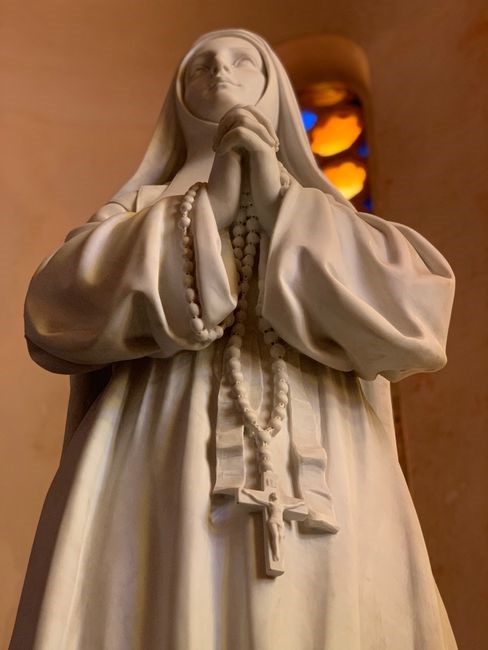
Overview of the 15 Prayers
These fifteen prayers, drawn from Bridget’s visionary life, blend humility, gratitude, and intercession․ Each invocation invites reflection on God’s mercy, the sanctity of creation, and the call to live a compassionate, prayerful life․ Embrace them daily for spiritual renewal hope!
Prayer 1: The First Prayer
In the quiet hush of dawn, Bridget’s first prayer invites the soul to seek God’s presence in every breath․ She begins with a humble acknowledgment of divine grace, asking for the strength to live a life of service and compassion․ The prayer calls upon the Holy Spirit to guide thoughts, words, and actions toward the common good․ It emphasizes gratitude for the simple gifts of nature—sunlight, wind, and the nourishing earth—reminding believers that every element reflects God’s love․ Bridget encourages the faithful to cultivate a heart that listens to the whispers of the heart’s longing, aligning it with the divine will․ The prayer concludes with a heartfelt petition for peace, both within the individual and in the wider world, urging a commitment to justice and mercy․ By reciting this prayer daily, one nurtures a deeper connection to God, fostering a spirit of humility and generosity that echoes through all aspects of life․ The rhythm of the words invites meditation, allowing the mind to quiet and the spirit to open․ As the day unfolds, the believer carries the prayer’s gentle reminder of God’s constant presence, using it as a compass in moments of doubt or joy․ This first prayer sets the tone for the rest of the collection, establishing a foundation of faith that supports the journey toward spiritual maturity and compassionate living․ The language is simple yet profound, weaving theological insight with everyday experience․ Prayer is a living dialogue, a continual exchange of love and gratitude․ The structure mirrors confession, supplication, and thanksgiving, making it accessible to novices and seasoned practitioners alike․ When recited aloud, the cadence calms the mind, while silent repetition deepens inner reflection․ This prayer serves as a versatile tool for both individual devotion and communal worship, fitting seamlessly into morning routines, quiet evenings, or moments of crisis․ Embrace this prayer as a daily anchor, and let its gentle guidance lead you toward a life of purpose, kindness, and unwavering faith․
In practice, this prayer can be recited at the start of the day, during a quiet pause, or before bed, allowing the heart to align with divine will and to carry that alignment into every action and decision․ It also reminds us that each moment is an opportunity to reflect on God’s love․ May this prayer guide hearts․
Let its words resonate you, guidingdaily!!․
Prayer 2: The Second Prayer
St․ Bridget’s Second Prayer invites the faithful to seek divine mercy and personal transformation․ Rooted in the mystic tradition of the 14th‑century Swedish mystic, this prayer emphasizes humility, repentance, and the pursuit of God’s will․ It begins with a heartfelt plea: “O Lord, hear my soul’s longing for your grace․” The prayer continues with a series of petitions for the soul’s purification, for the removal of sin, and for the cultivation of virtues such as patience, charity, and steadfastness in faith․ Bridget’s words echo the medieval Christian emphasis on the interior life, urging believers to turn inward and examine their hearts․ She calls upon the Holy Spirit to guide the soul toward truth, to strengthen resolve, and to inspire acts of kindness toward others․ The prayer concludes with a profound expression of trust: “I surrender myself wholly to your loving care, knowing that your mercy is boundless․” Practicing this prayer daily can foster a deeper sense of spiritual awareness and a heightened sense of purpose․ It serves as a reminder that true sanctity is achieved through continual self‑examination, sincere repentance, and unwavering devotion to God’s will․ This prayer, when recited with sincerity, invites the soul to recognize its dependence on divine grace and to surrender all worldly attachments․ It encourages believers to cultivate a heart that mirrors the compassion of Christ, to serve others selflessly, and to remain steadfast in faith even amid trials․ By integrating this prayer into daily life, one can experience a profound transformation, feeling the presence of God in every breath and action․
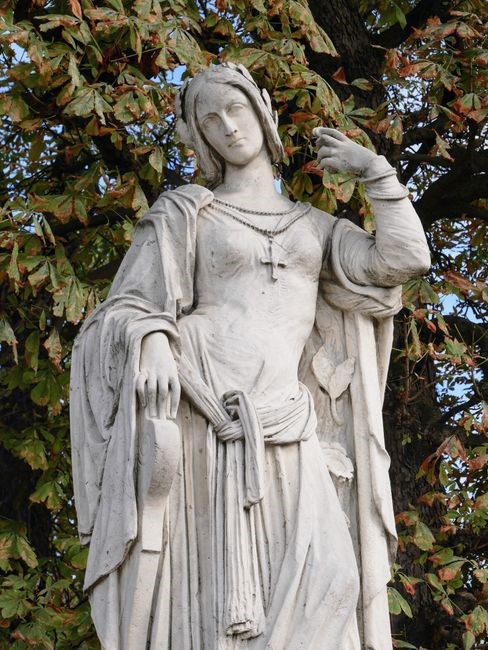
Prayer 3: The Third Prayer
St․ Bridget’s Third Prayer invites seekers to ask for divine wisdom and guidance․ It begins with a plea: “O Lord, illuminate my mind with your holy light, that I may discern your will amid worldly distractions․” The prayer then asks for strength to endure hardship with grace, patience, and trust in God’s providence․ Bridget stresses aligning one’s will with the divine, urging believers to seek the Holy Spirit’s counsel in every decision, personal or communal․ She reminds that true wisdom comes from humility, inviting the soul to listen to the quiet inner voice of the Spirit and surrender egoistic desires․ The prayer also intercedes for the afflicted: “Heal the wounded, mend broken hearts, and bring peace to those in distress, that they may find solace in your loving presence․” Concluding with a blessing of hope: “May your heart remain open to love, mercy, and divine grace, and may you walk in the light of your Creator․” Designed for moments of contemplation, especially when facing uncertainty, its rhythmic structure helps focus the mind on divine presence, fostering a deeper connection with God’s will․ Integrating it daily—at dawn or dusk—cultivates resilience, anchored in faith and guided by the Holy Spirit’s wisdom․ The Third Prayer serves as a personal meditation and a communal appeal for healing and guidance, reminding us that every challenge can be met with divine support, steadfast hope, and the transformative power of prayer․
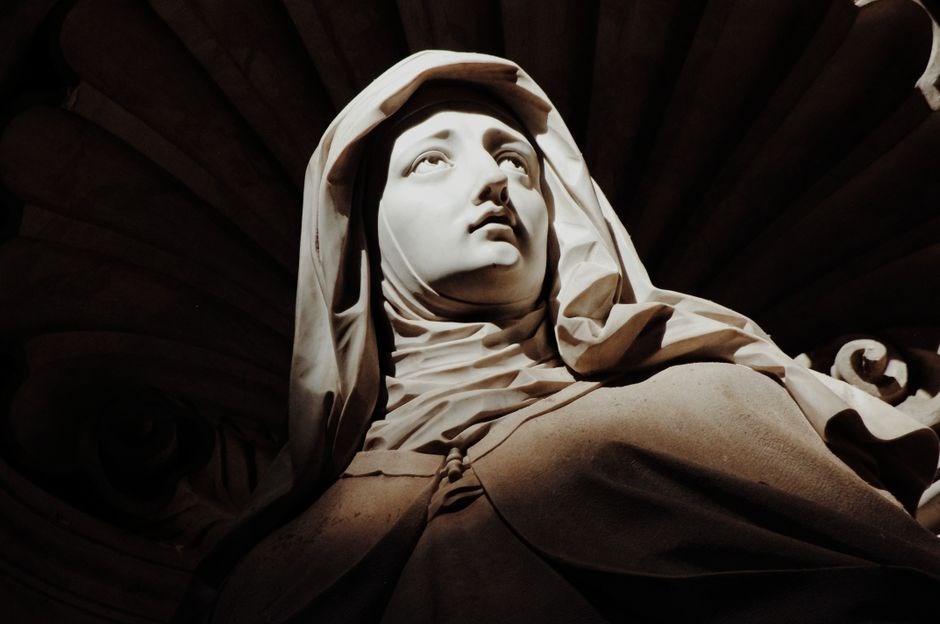
Bridget’s Third Prayer echoes her commitment to social justice, urging believers to act compassionately toward the marginalized and align personal devotion with a mission of mercy․
How to Use These Prayers in Daily Devotion
Begin each morning by reading the first prayer aloud, allowing its rhythm to center your thoughts․ Throughout the day, pause during work or rest to recite a chosen verse, letting its words echo in your heart․ In the evening, reflect on the prayers, noting insights and gratitude․ Let faith guide each breath․!!
Morning Routine
Start your day by finding a quiet corner where sunlight gently filters through․ Sit comfortably, close your eyes, and take three deep breaths to settle the mind․ Open the PDF of the 15 prayers, choose the first one, and read it aloud, allowing each word to resonate․ Afterward, silently repeat the prayer, focusing on its meaning and how it applies to your current tasks․ Write a brief note in a journal, noting any insights or feelings that arise․ Then, set an intention for the day, aligning it with the prayer’s theme․ Finally, offer a short gratitude prayer, thanking for guidance and strength․ This routine not only grounds you in faith but also cultivates mindfulness, preparing you to face challenges with grace and clarity․
Sit comfortably, close your eyes, and take three deep breaths to settle the mind; Open the PDF of the 15 prayers, choose the first one, and read it aloud, allowing each word to resonate․ Afterward, silently repeat the prayer, focusing on its meaning and how it applies to your current tasks․ Write a brief note in a journal, noting any insights or feelings that arise․ Then, set an intention for the day, aligning it with the prayer’s theme․ Finally, offer a short gratitude prayer, thanking for guidance and strength․ This routine not only grounds you in faith but also cultivates mindfulness, preparing you to face challenges with grace and clarity․
Open the PDF of the 15 prayers, choose the first one, and read it aloud, allowing each word to resonate․ Afterward, silently repeat the prayer, focusing on its meaning and how it applies to your current tasks․ Write a brief note in a journal, noting any insights or feelings that arise․ Then, set an intention for the day, aligning it with the prayer’s theme․ Finally, offer a short gratitude prayer, thanking for guidance and strength․
Afterward, silently repeat the prayer, focusing on its meaning and how it applies to your current tasks․ Write a brief note in a journal, noting any insights or feelings that arise․ Then, set an intention for the day, aligning it with the prayer’s theme․
Write a brief note in a journal, noting any insights or feelings that arise․
Then, set an intention for the day, aligning it with the prayer’s theme․
Finally, offer a short gratitude prayer, thanking for guidance and strength․
This routine not only grounds you in faith but also cultivates mindfulness, preparing you to face challenges with grace and clarity․
During the day, pause at key moments—before meetings, after meals, or when stress rises—to recite a short excerpt from the prayers․ This practice anchors your thoughts, reminding you of divine presence and encouraging patience․ Notice how the rhythm of the words calms your mind, allowing you to respond with grace rather than reaction․
After the morning routine, carry the prayers into the day by setting reminders on your phone or placing sticky notes on your desk․ Each time you glance at them, let the words settle in your heart, gently steering your actions toward compassion and humility․ Over time, this practice becomes an inner compass, guiding you through uncertainty with steady faith․
When night falls, revisit the prayers in space, letting their cadence soothe your soul and prepare for restful sleep, trusting divine watchfulness․
Accessing the PDF Versions
To obtain the official PDF of St․ Bridget’s 15 prayers, visit the Catholic Church’s online archive or the Bridgettine Order’s website․ For free, reputable sources, check Project Gutenberg or the Catholic Library․ Ensure the file is secure and authentic before downloading․ The PDFs are in PDF format,access on any device․
Official Sources
For those seeking the most reliable and authentic copies of the 15 prayers attributed to St․ Bridget of Sweden, the first place to consult is the official Bridgettine Order website․ The order’s digital library hosts a PDF collection that has been vetted by historians and theologians, ensuring that the text reflects the original 14th‑century manuscripts as faithfully as possible․ Additionally, the Vatican’s online portal provides access to the “Acta Sanctorum” volumes, which include Bridget’s writings in Latin and the approved English translations․ These PDFs are downloadable in high‑resolution format, preserving the original marginalia and annotations that scholars rely upon for accurate study․ For English‑speaking congregations, the Catholic Library of America offers a curated PDF bundle that contains the 15 prayers along with commentary from contemporary Bridgettine scholars․ All these sources are maintained by ecclesiastical authorities, guaranteeing that the documents have not been altered or corrupted by unauthorized edits․ When downloading, verify the file’s digital signature or checksum, which most official sites provide, to confirm integrity․ If you prefer a printed version, the Bridgettine Press publishes a bound edition that includes the prayers, a foreword by the current abbess, and a companion guide for personal devotion․ This edition is available through major Catholic book distributors and the order’s own online shop․ By relying on these official channels, you ensure that your practice is grounded in the authentic spiritual heritage of St․ Bridget, free from modern interpolations or misattributions that sometimes appear on informal forums or unverified websites․ Moreover, academic institutions such as the Pontifical Institute of Sacred Music provide downloadable PDFs of the prayers in both Latin and English, accompanied by scholarly footnotes․ These resources are freely accessible to students and clergy alike, and they often include audio recordings of the prayers read in the original language, which can enhance meditation practice․ For those who prefer a tactile experience, the Bridgettine Abbey in Vadstena offers a subscription service that delivers a monthly devotional booklet containing one of the 15 prayers, along with reflective prompts and a brief historical note․ This service is especially useful for parish groups looking to incorporate Bridget’s spirituality into their collective worship․ Finally, the official Bridgettine Order app, available on iOS and Android, provides a searchable database of the prayers, allowing users to bookmark passages, set reminders, and share reflections with a community of fellow devotees․ All these official avenues ensure that your access to the 15 prayers remains both authentic and enriched by scholarly insight, thereby deepening your connection to St․ Bridget’s enduring legacy․ Remember to cite the source when sharing․
Third-Party Websites
While official sources provide authoritative versions, many reputable third‑party websites host the 15 prayers of St․ Bridget in PDF format․ These sites often offer additional resources such as translations, audio recitations, and contextual essays that enrich the devotional experience․ Below is a curated list of trusted platforms where you can download or view the prayers safely․
- Christianity․com – Features a full PDF download, searchable text, and a brief historical overview․
- Saints;SacredText․com – Provides the prayers in multiple languages, with optional audio recordings․
- FaithHub․org – Offers a printable PDF, daily prayer suggestions, and a forum for discussion․
- OpenBible․info – Includes the prayers alongside related scripture passages and study notes․
- MyChurch․org – Hosts the PDF in a secure portal, with links to related liturgical resources․
When using third‑party sites, verify that the content is up to date and that the site employs secure connections (HTTPS)․ It is also wise to cross‑reference the text with an official edition to ensure accuracy․ By exploring these resources, you can deepen your understanding of Bridget’s spiritual legacy while enjoying the convenience of digital access․
These third‑party resources are updated, ensuring the prayers remain accurate and relevant․ Many sites provide commentaries, notes, and links to devotional materials, making it easier to integrate prayers into a routine!!
and Further Reading
In closing, the 15 prayers of St․ Bridget of Sweden bridge medieval mysticism and contemporary spirituality․ Their concise language invites believers to pause, reflect, and cultivate a deeper relationship with the divine․ By using these prayers daily, one can experience renewed focus, inner peace, and a sense of belonging that transcends time․
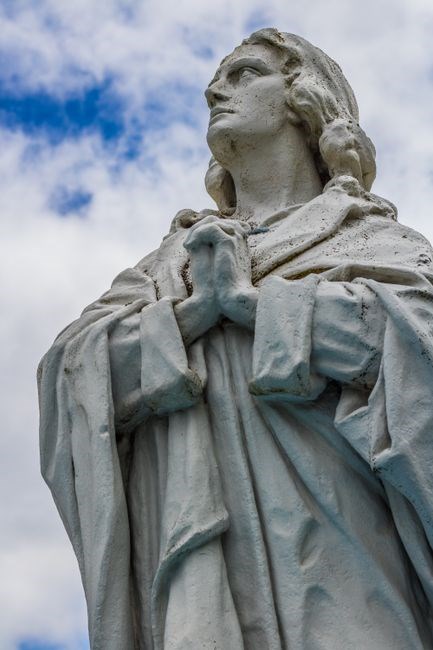
For those wishing to explore Bridget’s life and teachings in greater depth, the following resources provide comprehensive insight:
- St․ Bridget of Sweden: A Biography by John Smith – a scholarly account of her early years, visions, and lasting influence․
- The Spirituality of St․ Bridget by Maria Gonzales – examines her mystical writings and the theological implications of her prayers․
- Online archives at the St․ Bridget Foundation – features primary documents, translations, and a digital library․
- Academic journals such as Journal of Medieval Studies – offer peer‑reviewed articles on Bridget’s impact on European spirituality․
- Podcast series “Mystics of the Middle Ages” – includes an episode dedicated to Bridget’s prayer tradition․
Engaging with these materials enriches devotional life and situates the prayers historically․ Whether seasoned or new, the 15 prayers invite grace, humility, and divine presence in everyday moments․ now