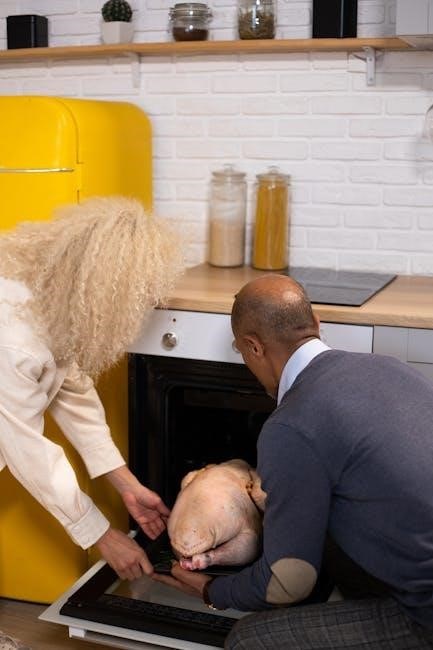
Butterball Indoor Electric Turkey Fryer XL Manual: A Comprehensive Guide
This manual provides detailed instructions for the Butterball XL electric turkey fryer, covering safety, setup, operation, and maintenance․
It’s essential for achieving perfectly fried turkeys up to 22lbs, ensuring a delicious and safe Thanksgiving experience․
Understanding Your Butterball XL Fryer
The Butterball XL Indoor Electric Turkey Fryer is designed for convenient and safe turkey frying, eliminating the need for outdoor propane fryers․ This unit boasts a spacious capacity, capable of handling turkeys up to 22 pounds, making it ideal for larger gatherings․ Unlike traditional methods, this electric fryer offers precise temperature control, ensuring even cooking and a consistently crispy exterior․
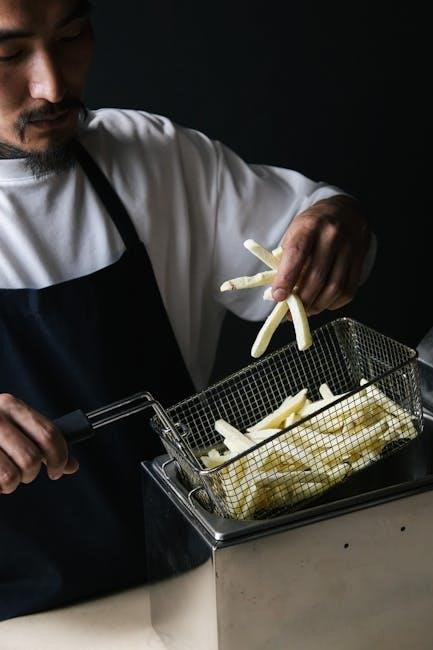
Key features include a robust heating element for rapid oil heating, and a digital display for accurate temperature monitoring․ The fryer’s design prioritizes safety, with features like automatic shut-off and a secure locking lid․ It’s important to note that while capable of frying a larger bird, a 18-20 pound turkey is often recommended for optimal results․
Before first use, familiarize yourself with all components and safety instructions․ Proper understanding of the fryer’s capabilities and limitations is crucial for a successful and enjoyable cooking experience․ Remember to always follow the guidelines regarding oil levels and turkey thawing to prevent hazards․
Safety Precautions & Warnings
Prioritize safety when operating your Butterball XL Fryer․ Never operate the fryer near water or flammable materials․ Ensure the unit is placed on a stable, level surface before use․ Always supervise the fryer during operation and keep children and pets away․ Do not exceed the 22lb turkey weight limit, as this could cause oil overflow and potential injury․
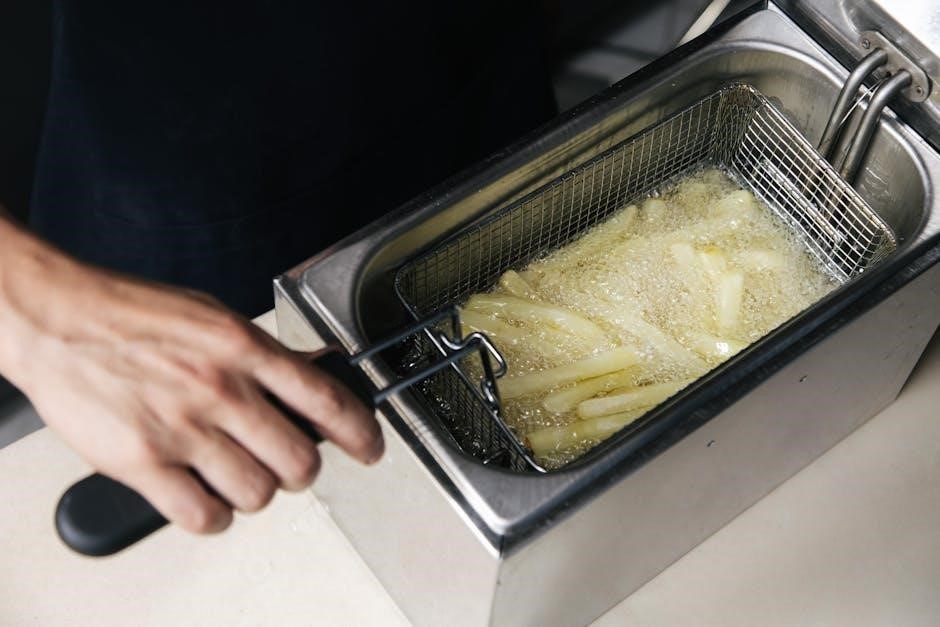
Thoroughly thaw the turkey before frying; frozen turkeys can cause a dangerous oil splatter․ Ensure the turkey is completely dry, both inside and out, before immersing it in hot oil․ Never leave the fryer unattended while heating or cooking․ Use extreme caution when handling hot oil, and wear appropriate protective gear, such as oven mitts․
Do not reduce the temperature during cooking, as this can lead to uneven cooking and potential safety hazards․ Always unplug the fryer before cleaning or performing maintenance․ Improper use can result in burns or fire; read the entire manual before operation․
Component Identification
The Butterball XL Fryer consists of several key components․ These include the fryer pot itself, constructed from durable stainless steel, designed to hold the cooking oil and turkey․ A precise temperature control dial allows for accurate heat settings, crucial for optimal frying․ The detachable power cord ensures safe storage and portability․
The unit features a sturdy lifting hook, facilitating safe and controlled lowering and raising of the turkey into the hot oil․ A safety lid is included, providing a barrier against splattering oil during operation․ The basket is designed to hold the turkey securely during the frying process․
Additionally, the fryer includes a drain valve for easy and safe oil disposal after use․ Familiarize yourself with each component’s function and location before operating the fryer․ Refer to the detailed diagram in this manual for a visual representation of all parts․
Setting Up the Fryer
Before first use, carefully inspect all components for any damage․ Place the fryer on a flat, stable, and non-combustible surface outdoors, away from buildings, decks, and flammable materials․ Ensure ample space around the unit for safe operation․
Connect the power cord securely to the fryer and then to a grounded electrical outlet․ Do not use an extension cord․ Verify the voltage matches the fryer’s specifications․ Before adding oil, confirm the drain valve is tightly closed to prevent leakage․
Position the lifting hook securely within the fryer pot․ It’s crucial to have a clear and unobstructed path for lowering and raising the turkey․ Double-check all connections and ensure the unit is stable before proceeding to the oil filling stage․ Never operate the fryer without proper setup․
Oil Selection and Quantity
Use only high smoke point oils suitable for deep frying, such as peanut, canola, or vegetable oil․ Avoid olive oil or other oils with low smoke points․ The required oil quantity depends on the turkey’s size, but sufficient oil is vital for complete submersion․
To determine the correct amount, place the turkey in the empty fryer pot and fill with water until it’s fully covered, leaving a few inches of space below the fill line․ Remove the turkey and mark the water level․ This indicates the necessary oil volume․
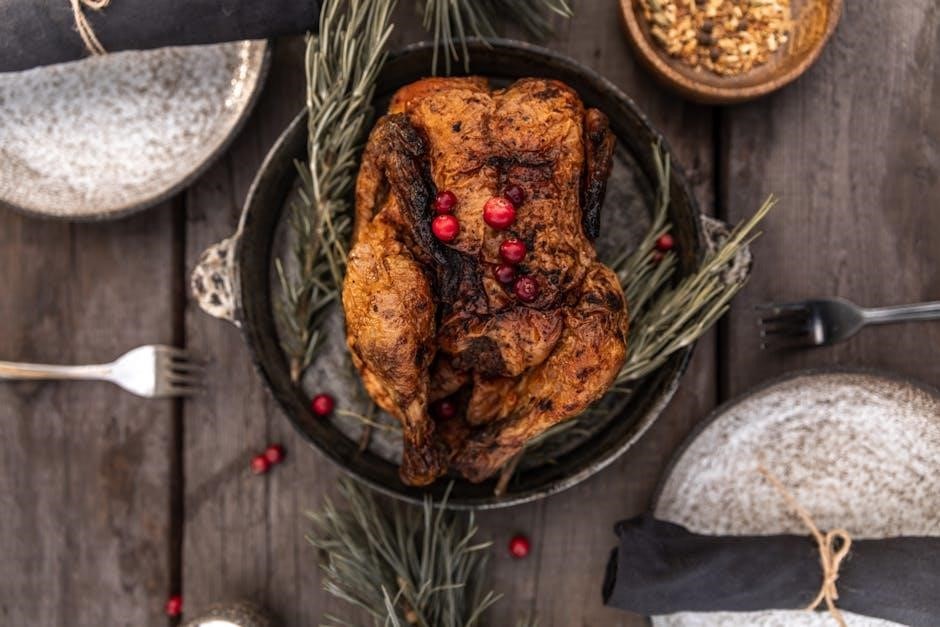
Never overfill the fryer with oil, as this can create a hazardous situation․ Always use the marked level as a guide․ Ensure the oil is within the recommended range for optimal frying․ Regularly check oil levels during the cooking process, and never operate the fryer without sufficient oil․
Turkey Preparation: Thawing & Drying
Complete thawing is crucial for safe and effective frying․ A frozen turkey can cause a dangerous oil splatter․ Thaw the turkey in the refrigerator, allowing approximately 24 hours for every 4-5 pounds of weight․ Ensure the turkey is fully thawed before proceeding․ A 18-20 lb turkey requires significant thawing time․
After thawing, thoroughly rinse the turkey inside and out with cold water․ Remove the giblets and neck from the cavities․ Pat the turkey completely dry with paper towels, both inside and outside․ Excess moisture can cause dangerous oil splattering and uneven cooking․
Ensure the turkey is as dry as possible before frying․ Any remaining ice crystals or water will react violently with the hot oil․ A dry turkey results in a crispier skin and a safer frying experience․ Proper preparation is paramount for a successful outcome․

Recommended Turkey Size (Up to 22 lbs)
The Butterball XL fryer is designed for turkeys up to a maximum weight of 22 pounds (9․98 kgs)․ Exceeding this weight limit is extremely dangerous and can lead to oil overflow, instability, and potential injury․ Always verify the turkey’s weight before beginning the frying process․
While a 18-20 lb turkey is recommended for optimal results, the XL model accommodates larger birds, up to the stated 22 lb limit․ Smaller turkeys may cook more quickly, requiring adjusted cooking times․ It’s crucial to monitor the internal temperature closely, regardless of the turkey’s size․
Do not attempt to fry a turkey exceeding 22 lbs in this unit․ Prioritize safety and adhere to the manufacturer’s guidelines․ Using a turkey that is too large compromises the fryer’s functionality and significantly increases the risk of accidents․
Temperature Control & Settings
The Butterball XL fryer features precise temperature control, essential for safe and evenly cooked turkey․ The unit is designed to maintain a consistent frying temperature throughout the cooking process․ It’s vital to understand and utilize these settings correctly․
Do not reduce the temperature when cooking a whole turkey․ Maintaining a consistent temperature is crucial for proper cooking and preventing undercooked areas․ The recommended frying temperature is typically around 350°F (177°C), but always refer to the specific recipe or guidelines provided with your fryer․
The control panel allows you to set and monitor the oil temperature․ Ensure the temperature remains stable during the entire frying duration․ Fluctuations can affect the final product’s quality and safety․ Regularly check the temperature display to confirm it’s within the desired range․
Cooking Time Guidelines (18-20 lb Turkey)
For an 18-20 lb (8․16-9․07 kgs) turkey, a cooking time of approximately 3 to 4 minutes per pound is generally recommended․ However, this is a guideline, and actual cooking time can vary based on several factors, including the initial turkey temperature and the precise oil temperature maintained during frying․
It’s crucial to monitor the internal temperature of the turkey using a meat thermometer to ensure it reaches a safe internal temperature of 165°F (74°C) in the thickest part of the thigh․ Do not rely solely on time estimations․
A larger turkey, up to the maximum recommended 22 lbs (9․98 kgs), will naturally require a longer cooking time․ Always prioritize internal temperature over estimated cooking times․ Consistent monitoring is key to a safe and delicious result․ Remember to carefully lower and raise the turkey into the hot oil․
Monitoring the Cooking Process
Consistent monitoring is paramount during the entire frying process․ Regularly check the oil temperature to ensure it remains within the recommended range – typically around 325°F (163°C)․ Fluctuations can significantly impact cooking time and results․
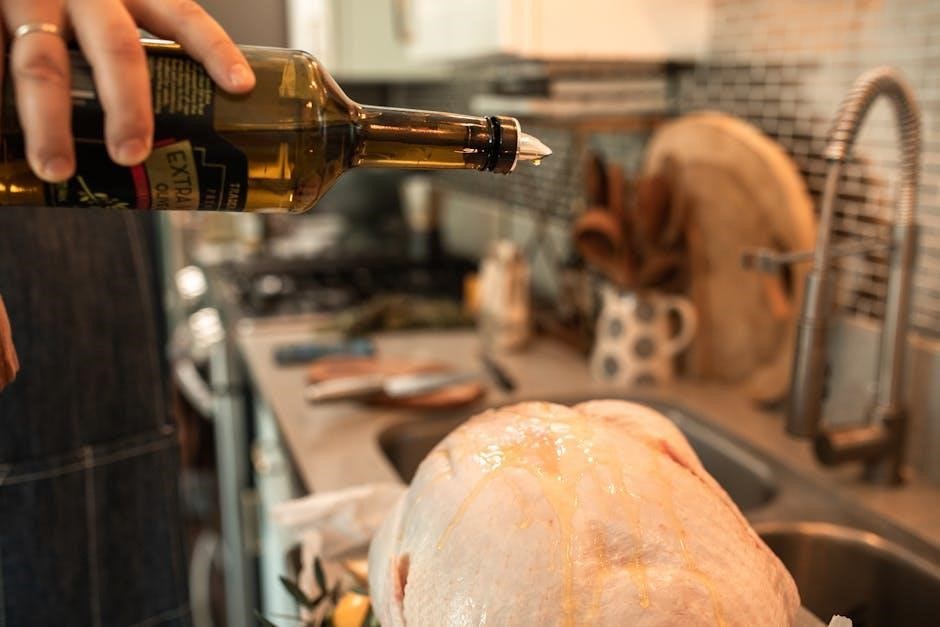
Visually inspect the turkey periodically, observing the color and crispness of the skin․ Be cautious of excessive bubbling, which could indicate the oil is overheating․ Maintain a safe distance from the fryer during operation․
Utilize a reliable meat thermometer to track the internal temperature of the turkey․ Insert the thermometer into the thickest part of the thigh, avoiding contact with bone․ This is the most accurate way to determine doneness․ Do not reduce the temperature when cooking a whole turkey․ Careful observation and temperature checks are vital for a safe and flavorful outcome․
Checking for Doneness
Accurate temperature measurement is crucial for ensuring your turkey is safely cooked․ Insert a meat thermometer into the thickest part of the thigh, ensuring it doesn’t touch bone, for a reliable reading․ The turkey is considered done when the internal temperature reaches 165°F (74°C)․
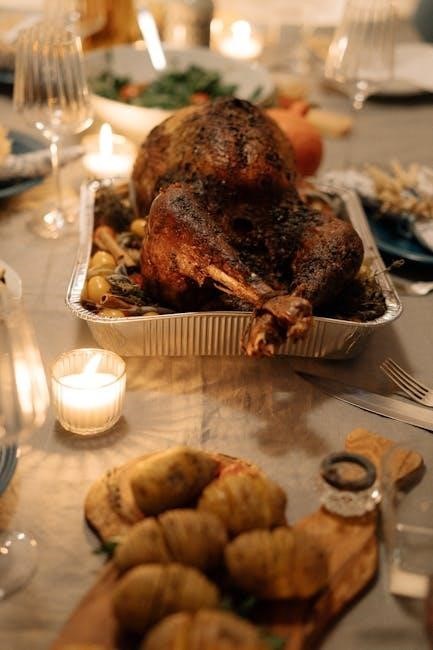
Check the temperature in multiple locations within the thigh to confirm consistent doneness․ Also, verify the temperature in the breast, aiming for at least 160°F (71°C)․ Remember, carryover cooking will continue to raise the temperature slightly after removal from the oil․
Visual cues can supplement temperature readings, but are not definitive․ The juices should run clear when pierced with a fork, and the skin should be a deep golden brown․ A 18-20 lb․ (8․16-9․07 kgs․) turkey is recommended, but up to 22lbs is permissible with careful monitoring․
Post-Cooking Procedures: Oil Disposal
Proper oil disposal is critical for safety and environmental responsibility․ Never pour used frying oil down the drain, as it can cause significant plumbing issues and harm the environment․ Allow the oil to cool completely – this can take several hours – before attempting to handle it;
Once cooled, carefully pour the oil into a sturdy, sealable container, such as the original oil container or a designated recycling jug․ Avoid using glass containers, as they can break․ Many communities offer oil recycling programs; check with your local waste management services for drop-off locations․
If recycling isn’t available, the oil can be solidified with an absorbent material like kitty litter or sawdust, then disposed of with your regular trash․ Do not exceed 22 lbs․ (9․98 kgs․) when frying, as this impacts oil volume and safe disposal․
Cleaning and Maintenance
Regular cleaning and maintenance are essential for the longevity and safe operation of your Butterball XL fryer․ Always unplug the fryer and allow it to cool completely before cleaning․ Remove the frying pot and wipe it down with a damp cloth and mild detergent․ Avoid abrasive cleaners, which can damage the non-stick coating․
The exterior of the fryer can be cleaned with a damp cloth as well․ Ensure no water enters the electrical components․ Inspect the power cord for any damage and replace it if necessary․ Do not immerse the fryer base in water or any other liquid․
Proper storage is also important․ Ensure the fryer is completely dry before storing it in a cool, dry place․ Remember the recommended turkey size is up to 22 lbs (9․98 kgs․), and cleaning after each use prevents oil buildup and ensures optimal performance․
Troubleshooting Common Issues
If your Butterball XL fryer isn’t heating, first ensure it’s properly plugged in and the power outlet is functioning․ Check the temperature settings and confirm they are correctly adjusted․ A common issue is the temperature only reaching 325°F; verify the thermostat is set appropriately․
If the oil isn’t heating evenly, ensure the turkey is fully submerged and not overcrowded․ Remember, a turkey up to 22 lbs is recommended․ If the fryer shuts off during operation, it may be due to a thermal overload protector activating – allow it to cool before restarting․
For any electrical issues, immediately unplug the fryer and do not attempt to repair it yourself․ Contact qualified service personnel․ Always prioritize safety and refer to the full operation manual for detailed guidance․ Ignoring issues can lead to malfunction or safety hazards․
Frequently Asked Questions (FAQ)
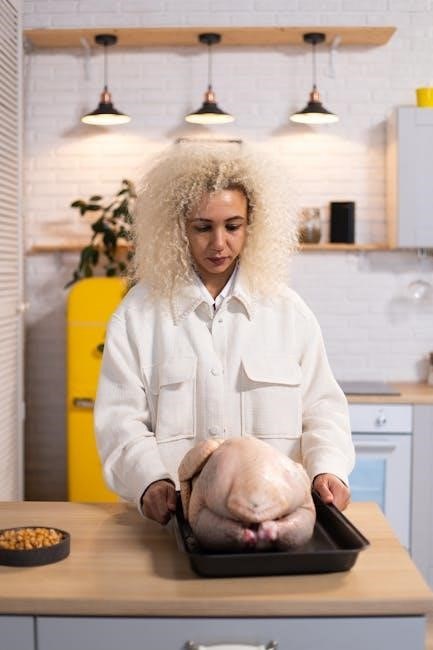
Q: Can I use a frozen turkey? A: No, the turkey must be completely thawed․ Thorough defrosting, for 35-40 hours in a refrigerator, is crucial for safety and even cooking․ Q: What oil type is best? A: Peanut oil is recommended due to its high smoke point, but canola or vegetable oil can be used as alternatives․
Q: How much oil do I need? A: Perform the water displacement test – place the turkey in the fryer basket, fill with water to cover, then remove the turkey and mark the water level․ This indicates the required oil amount․ Q: Is it safe to fry indoors? A: This model is designed for indoor use, but ensure adequate ventilation․
Q: What if the fryer only heats to 325°F? A: Verify the thermostat setting and ensure the unit isn’t overloaded․ Q: What’s the maximum turkey size? A: Do not exceed 22 lbs․ Always prioritize safety and refer to the full manual for detailed instructions․
Warranty Information
Butterball warrants this Electric Turkey Fryer XL against defects in materials and workmanship for a period of one (1) year from the date of original purchase․ This warranty covers normal household use and does not include damage resulting from misuse, abuse, accident, alteration, or lack of proper care and maintenance․
To obtain warranty service, please contact Butterball customer support with proof of purchase (receipt or invoice) and a detailed description of the defect․ Butterball, at its discretion, will repair or replace the defective product or component․ This warranty gives you specific legal rights, and you may have other rights which vary by state․
This warranty does not cover incidental or consequential damages․ Any attempt to repair the fryer by anyone other than authorized personnel will void this warranty․ For complete warranty details, please refer to the separate warranty card included with your product or visit the Butterball website for the most up-to-date information․
Technical Specifications
Model Number: 23011114 (This may vary slightly depending on the retailer and production date․ Refer to the label on your unit for the exact model number․)
Maximum Turkey Capacity: 22 lbs (9․98 kgs)․ Do not exceed this weight limit for safe operation․
Oil Capacity: Approximately 5․5 gallons (20․8 liters) – precise amount varies with turkey size․
Wattage: 1800 Watts
Voltage: 120V AC, 60Hz
Temperature Range: 250°F to 375°F (121°C to 190°C)
Control Panel: Digital temperature control with timer function․
Safety Features: Overheat protection, automatic shut-off․
Dimensions (Approximate): 22″ L x 18″ W x 26″ H
Weight (Approximate): 35 lbs (15․9 kgs) – without oil․
Construction Materials: Stainless steel heating element, durable housing․