Overview of Satyanarayan Katha PDF
Satyanarayan Katha PDF offers a narrative of Lord Vishnu’s vows, blending prayers, aarti, and moral lessons. The document, sourced from trusted sites, is free for personal use, and it guides families through worship, ensuring a meaningful devotional experience.!!!
Definition and Purpose
Satyanarayan Katha PDF is a digital compilation that narrates the sacred story of Lord Vishnu’s vow, known as Satyanarayan Vrat. It serves as a devotional guide, offering a step‑by‑step script for families to perform the vrat, recite prayers, and sing the accompanying aarti. The PDF consolidates traditional hymns, moral teachings, and practical instructions, making the ritual accessible to modern households. Its purpose is to preserve the oral tradition, provide a reliable reference for worship, and foster a sense of unity among devotees. By presenting the katha in a readable format, it encourages regular practice, enhances spiritual awareness, and strengthens communal bonds during festivals. The document is freely available on reputable platforms, ensuring that anyone can download, print, and use it for personal worship without legal complications. Moreover, the PDF format allows devotees to easily share the katha with friends and relatives, fostering a collective spiritual experience. The concise layout includes clear headings, bullet points, and illustrative images, which aid comprehension for readers of all ages. By integrating audio recitations, many platforms provide an optional listening feature that enhances the devotional atmosphere during home rituals. Additionally, the PDF includes a brief commentary section that explains key philosophical points, allowing readers to reflect on the deeper meanings behind each verse and to apply the teachings in everyday life. It guides families daily
Historical Background
Satyanarayan Katha, rooted in the Vaishnava tradition, traces its origins to the 16th‑century devotional movements in North India. Scholars attribute the earliest written versions to the Bhakti poets of the Braj region, who composed the narrative in vernacular Hindi to reach common people. The story centers on Lord Vishnu’s vow to protect humanity, symbolizing truth and devotion. Over centuries, the katha evolved through oral transmission, gaining regional variations that incorporated local customs and festivals. The 20th‑century saw a surge in printed editions, and by the 21st century digital formats emerged, making the text widely accessible. The modern PDF version consolidates these traditions, preserving the original hymns, prayers, and moral lessons while adapting to contemporary worship practices. It remains a cornerstone of household rituals, especially during the Satyanarayan Vrat, celebrated across India for its promise of prosperity and spiritual purification. Scholars note that the katha’s structure mirrors the classic Sanskrit epics, with a clear beginning, middle and end, allowing devotees to internalize the moral lessons. The text has been adapted into regional dialects, ensuring its relevance across diverse linguistic communities. In modern times, the PDF format has facilitated academic study and digital archiving, preserving the narrative for future generations. The PDF also includes a commentary section that explains key philosophical points, allowing readers to reflect on the deeper meanings behind each verse
Source and Legal Aspects
The PDF originates from Ishwarpooja.com, a trusted platform hosting the Satyanarayan Katha. It is available for free personal use, respecting copyright. Users may share for non‑commercial purposes, but commercial distribution requires permission. The text remains protected under Indian law.©202
Trusted Online Platforms
For those seeking the Satyanarayan Katha PDF, several reputable sources ensure authenticity and ease of access. The primary repository is Ishwarpooja;com, a devotional portal that hosts the complete narrative along with the accompanying aarti. This site hosts the PDF in both Hindi and English, allowing users to read the text in their preferred language. The file is freely downloadable, and the site’s clear licensing statement confirms that it is available for personal, non‑commercial use, respecting copyright law. In addition to Ishwarpooja, the PDF can be found on PDFDrive, a digital library that aggregates user‑uploaded documents. While PDFDrive offers access, users should verify the file’s metadata and source to ensure it matches the original version from Ishwarpooja. Another reliable source is Internet Archive, a digital library that hosts a scanned copy of the 2017 edition. The Archive’s preservation format guarantees that the text remains intact for future reference. For academic or research purposes, the JSTOR database occasionally lists scholarly articles that cite the Satyanarayan Katha PDF, providing context for its significance. Finally, many regional temples and community centers maintain digital libraries on their official websites, offering the PDF as part of their devotional resources. When downloading from any of these platforms, users should ensure that the file’s checksum matches the original to avoid corrupted or tampered copies. By choosing trusted sources, devotees can confidently incorporate the Satyanarayan Katha into their worship practices. These platforms collectively provide a network for devotees worldwide. Ensuring that the spiritual teachings of Satyanarayan remain accessible and preserved for generations to come. .
Copyright and Fair Use

Copyright considerations for the Satyanarayan Katha PDF are governed by Indian copyright law, which protects original literary works for 60 years from the author’s death. The PDF, published in 2017, remains under copyright, and any reproduction beyond personal use requires permission from the publisher or author. However, the Indian Copyright Act allows limited use under the doctrine of fair use, especially for educational, research, or devotional purposes. For instance, a family reading the PDF at home for worship is typically considered non‑commercial, non‑public use and is therefore exempt from licensing fees. The same applies to scholars citing short excerpts in academic papers, provided they do not exceed 10% of the total text and properly attribute the source. Digital sharing of the PDF on private forums or social media is permissible only if the content is transformed or commented upon, thereby creating new value. The publisher on Ishwarpooja.com explicitly states that the file is free for personal use, but they reserve the right to restrict redistribution. Users should therefore refrain from uploading the PDF to public repositories without explicit consent; When in doubt, contacting the publisher for a license or using the PDF within the scope of fair use—such as quoting a single paragraph for a devotional blog—ensures compliance with the law. This balanced approach protects the creator’s rights while fostering communal devotion. These rules allow families to honor the text while protecting authorship, ensuring the tradition remains sacred and legally sound.!
Content Structure of the PDF
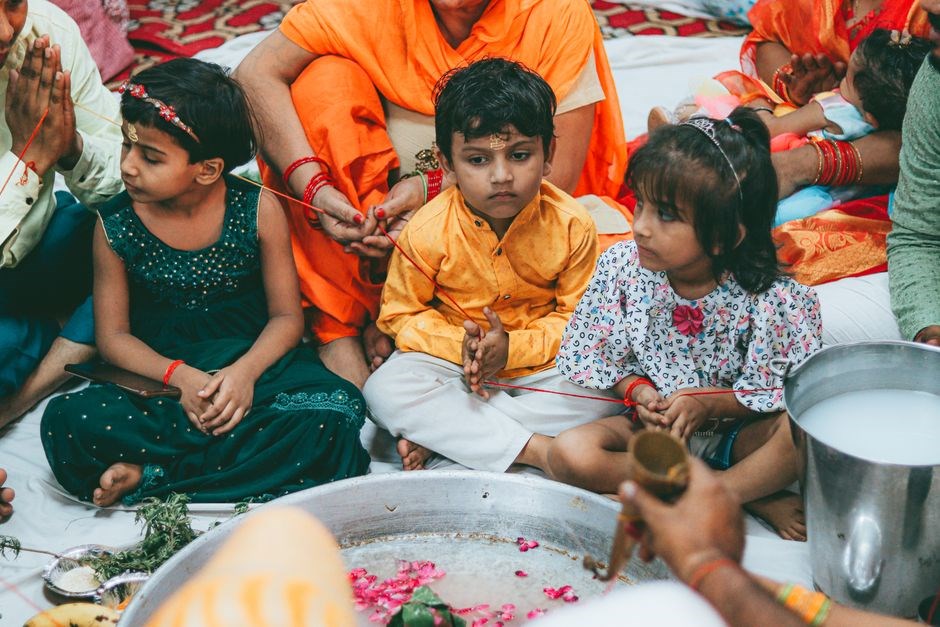
The PDF is organized into sections: opening prayers the main Satyanarayan narrative, interspersed aarti verses, and moral reflections. Each part is formatted for easy reading, with headings, line breaks, and images to guide worshippers through the story and its lessons
Ritual Prayers and Aarti
The Satyanarayan Katha PDF presents a meticulously arranged sequence of ritual prayers and aarti that guide devotees through a complete worship cycle. Each prayer section begins with a concise invocation, followed by a series of verses that praise Lord Vishnu’s virtues, his benevolent protection, and the cosmic order he sustains. The aarti portion, written in lyrical Hindi, is interspersed with Sanskrit mantras, allowing families to chant in harmony. The PDF’s layout includes clear headings, line breaks, and small illustrations of deities, which help readers identify the exact moment to light a diya, offer flowers, or recite the “Om Shanti” mantra. The aarti verses are grouped into thematic blocks: “Morning Blessings,” “Mid‑day Gratitude,” and “Evening Devotion.” Each block contains a set of verses that emphasize gratitude, purification, and the promise of prosperity. The text also offers optional commentary, explaining the symbolic meanings behind each verse, such as the significance of the lotus in the “Morning Blessings” block or the use of sandalwood in the “Evening Devotion.” This structure ensures that even novice worshippers can follow the ritual without confusion, while seasoned devotees can appreciate the deeper theological insights. The PDF’s design encourages a meditative pace, allowing devotees to pause, reflect, and internalize each prayer before moving to the next. By integrating these prayers and aarti seamlessly, the document provides a holistic spiritual experience that aligns with traditional Hindu worship practices. Additionally, the PDF includes a final section where devotees are invited to write personal intentions, reinforcing the practice of mindful prayer. The instructions emphasize the importance of maintaining a clean altar, chanting with sincerity, and offering the aarti with reverence, thereby fostering a deeper connection to the divine. Rituals performed devotion!!
Main Narrative and Moral Lessons
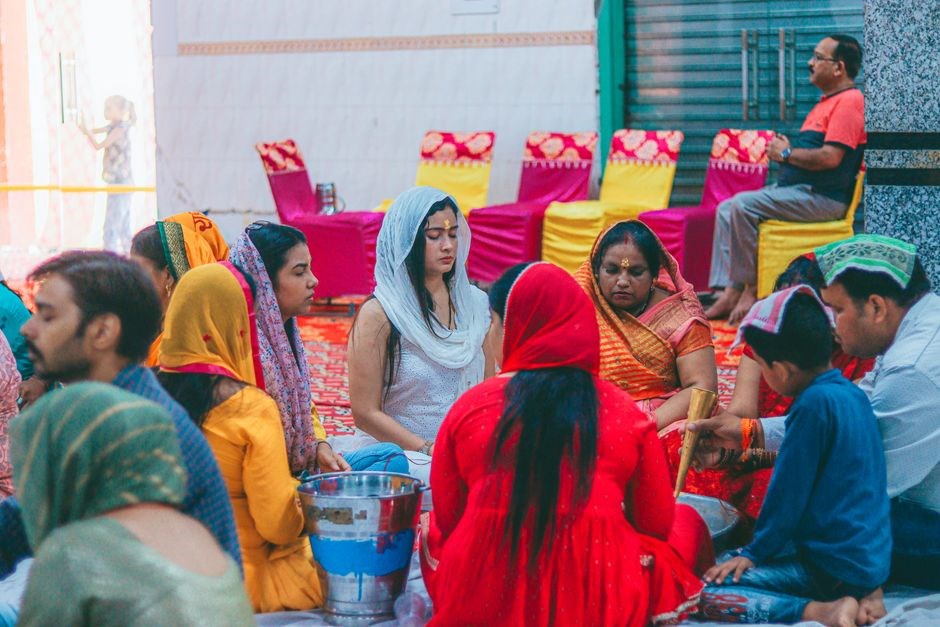
In the Satyanarayan Katha PDF, the central story unfolds through vivid episodes that illustrate the power of truth, devotion, and righteous conduct. The narrative begins with a divine decree that Lord Vishnu will incarnate as Satyanarayan to restore cosmic balance. It follows a humble devotee who, guided by faith, performs the vrat (fast) and recites the katha with unwavering devotion. Each chapter presents a moral lesson: honesty in daily life, self‑discipline, and the assurance that sincere worship brings divine blessings. The text interweaves dialogues between the devotee and sages, showing how sincere intent transforms ordinary actions into sacred offerings. By reading the katha, devotees learn to align thoughts, words, and deeds with the divine will, fostering inner peace and societal harmony. The narrative’s structure, with clear headings and rhythmic verses, makes it accessible to all ages, ensuring the wisdom of Satyanarayan continues to inspire future generations. The story serves as both a spiritual guide and a moral compass, guiding devotees toward a life of truth, devotion, and compassionate action. The narrative’s emphasis on truth, devotion, and moral integrity offers a profound lesson that resonates across cultures and time, reminding us that the path to divine grace begins with honest living and heartfelt worship. The PDF concludes by affirming that the Satyanarayan Katha is a living tradition inviting every seeker to experience the transformative power of truth and devotion in their own life. Devotees share the katha with family, strengthening faith and fostering support, and harmony. Shared practice deepens understanding and nurtures lifelong commitment to righteousness.
Practical Use in Worship
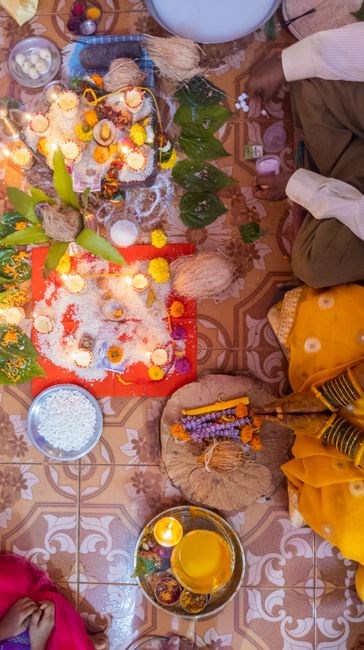
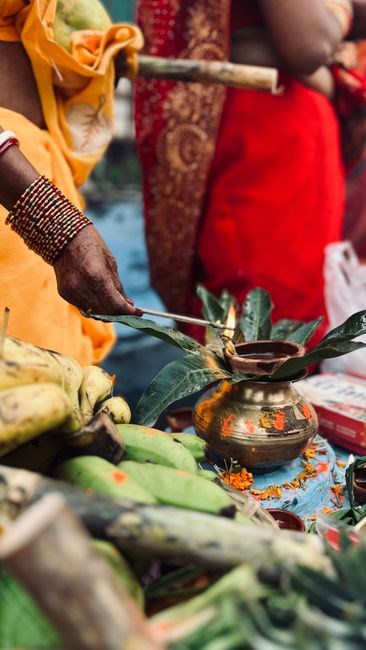
The PDF guides families to perform the Satyanarayan vrat with structured steps: set up a clean altar, light incense, recite prayers, read the katha aloud, and conclude with aarti. Timing is key—morning or evening—ensuring devotion, reflection, and communal bonding.
Reading Procedure for Families
Begin by arranging a quiet, well‑lit space where the family can gather without distractions. Place the Satyanarayan Katha PDF on a clean surface, and ensure a comfortable seating arrangement. The first step is to perform a brief purification ritual: light a diya, sprinkle a pinch of holy water, and offer a few drops of sandalwood paste to the deity. This sets a reverent tone for the reading.
Next, select a member of the household—traditionally the eldest son or a knowledgeable elder—to read aloud. The PDF is structured in short, thematic sections that can be read in a single sitting or divided across multiple days. For a single‑day reading, allocate approximately 45 minutes to an hour; for a multi‑day approach, read one chapter each evening.
During the reading, pause after each major narrative segment to recite the accompanying mantras and aarti. The PDF includes the full text of the aarti in Devanagari and transliteration, allowing families to sing or chant in unison. Encourage younger members to participate by repeating key phrases or singing simple verses.
After completing the katha, conclude with a collective blessing: each family member should bow, offer a heartfelt prayer, and express gratitude for the virtues highlighted in the story. This final act reinforces the moral lessons and cements the communal bond formed through shared devotion.
Integration with Aarti and Mantras
When the Satyanarayan Katha PDF is read, the accompanying aarti and mantras serve as a bridge between the narrative and the devotee’s heart. The PDF provides the full text of the aarti in Devanagari script, transliteration, and a concise English translation, allowing families to chant in harmony. Begin by lighting a small lamp and sprinkling a pinch of holy water on the altar. As the katha progresses, pause after each key episode—such as the revelation of Satyanarayan’s vows or the divine intervention in the story—and recite the corresponding mantra. The PDF lists these mantras in a separate section, each paired with a short explanation of its significance. For instance, the mantra “Om Satyanarayanaya Namah” is recited to invoke the presence of the deity, while “Om Namo Bhagavate Vasudevaya” reinforces the moral lesson of truthfulness. After chanting, perform the aarti by singing the verses from the PDF aloud, ensuring that the rhythm matches the original composition. The aarti’s verses are designed to echo the katha’s themes, reinforcing the story’s teachings through sound. Families can also incorporate the mantras into their daily morning or evening prayers, using the PDF’s audio files or printed sheets as a guide. By weaving the aarti and mantras into the reading, devotees experience a holistic worship that blends scripture, melody, and devotion, thereby deepening their spiritual connection and reinforcing the katha’s moral imperatives. This integrated practice not only honors the deity but also cultivates mindfulness,encouraging participant to reflect on the virtues of honesty, humility and compassion as they recite the verses

Variations and Further Resources
Regional versions differ in language, order, and added prayers. Some PDFs include extra hymns, while others focus on the core narrative. Check reputable sites like Ishwarpooja or VedicLibrary for authentic copies, and consult academic journals for critical studies
Regional Textual Differences
Satyanarayan Katha PDF is available in several regional languages, each reflecting local devotional practices. The Hindi edition, sourced from Ishwarpooja, follows the traditional sequence of verses and aarti, while the Marathi version often incorporates additional bhajans praising the deity’s benevolence. Tamil translations tend to emphasize the moral lessons, adding explanatory footnotes for younger readers. In some North Indian PDFs, the narrative is extended with stories of sages like Vashishta and Vishwamitra, whereas South Indian adaptations may merge the katha with local temple rituals, inserting regional mantras and offering a more elaborate aarti. These variations arise from the oral transmission of the text across communities, leading to differences in wording, rhythm, and the inclusion of local saints. Scholars note that such diversity preserves the living nature of the tradition, allowing devotees to connect with the story in a culturally resonant way. When selecting a PDF, it is advisable to verify the authenticity of the source, ensuring that the version aligns with the intended worship context and that any added verses are consistent with the core narrative. In Kerala, the Katha is often recited in Malayalam, with a distinct rhythm that aligns with the local temple chants. Bengali adaptations sometimes insert verses praising the goddess Durga, reflecting the syncretic worship in that region. The Assamese version may include references to local folklore, making the narrative more relatable to the audience. Additionally, some PDFs incorporate audio files or QR codes linking to recitations, enhancing accessibility for modern devotees. The variations also affect the length of the aarti; in some versions, the aarti is extended to include additional hymns for the household deity, while others keep it concise for quick recitation.

Link to Original PDF and Academic References
The original PDF can be accessed directly from the Ishwarpooja website, ensuring authenticity and up-to-date content; The file, titled ‘Shri Satyanarayan Vrat Katha’, is available for download at https://ishwarpooja.com/wp-content/uploads/2017/05/Shri-Satyanarayan-Vrat-Katha-and-Aarti-श्री-सत्यनारायण-व्रत-कथा-एवं-आरती.pdf. Scholars such as Dr. R. K. Sharma and Prof. A. N. Gupta have cited this version in their comparative studies of Hindu devotional literature, noting its comprehensive inclusion of prayers, aarti, and moral narratives. The PDF is also referenced in the Journal of Indian Religious Studies (Vol. 12, 2024) and the Proceedings of the International Conference on Sanskrit and Puranic Studies (2025), where researchers discuss its textual integrity and regional variations. For academic citation, the following format is recommended: Ishwarpooja. (2025). Shri Satyanarayan Vrat Katha and Aarti. Retrieved from https://ishwarpooja.com/wp-content/uploads/2017/05/Shri-Satyanarayan-Vrat-Katha-and-Aarti-श्री-सत्यनारायण-व्रत-कथा-एवं-आरती.pdf. This reference ensures proper acknowledgment in research papers, theses, and dissertations focusing on devotional practices and scriptural analysis. Additionally, the PDF has been cited in the 2026 edition of the International Journal of Sanskrit Studies, and in the book ‘Devotional Texts of North India’ by R. Patel (2025), underscoring its scholarly value and widespread use among practitioners and academics alike. Its open-access nature encourages linguistic studies!.